The Future of Consciousness — Would You Download Your Mind?
Imagine this headline: You Can Download Your Brain. It sounds like science fiction—but advances in artificial intelligence, neural simulation, and
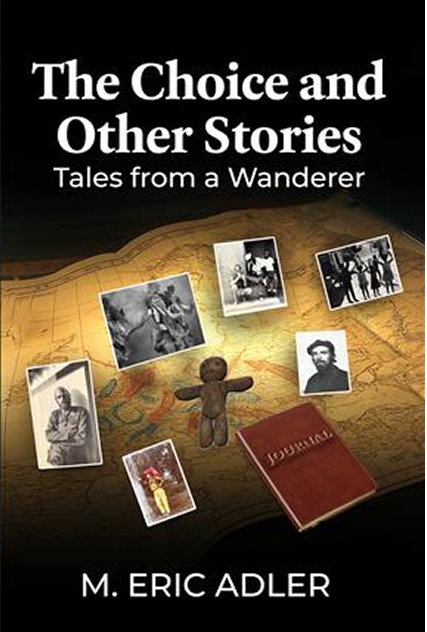

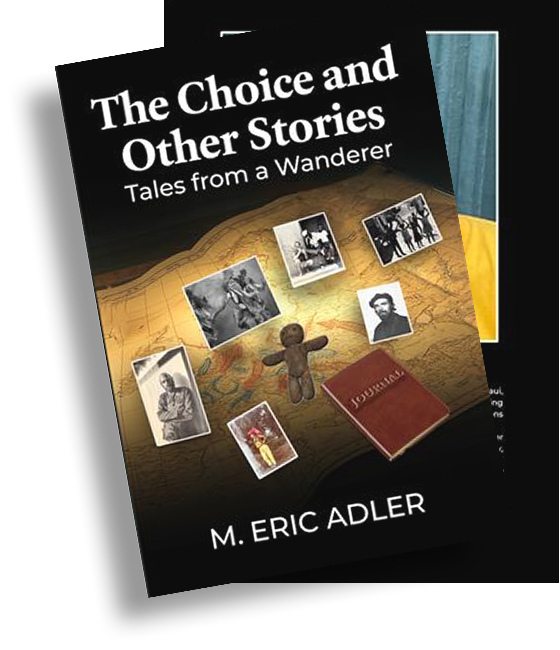
Journeying across borders, nations, and cultures, the book has stories that reflect life with love, humanity, hope, humility, and humor.
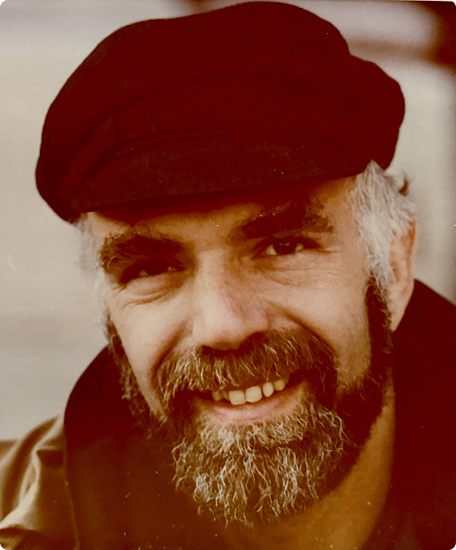
M. Eric (Marty) Adler is a retired Foreign Service Officer now living in Maui, Hawaii. For more than two decades, he served as a U.S. diplomat, moving across borders, navigating complex international landscapes, and forming human connections that stayed with him long after the assignments ended.
Beyond diplomacy, Marty’s life has taken many forms. He has worked as a language teacher, a Red Cross shelter manager, a court interpreter, a Peace Corps volunteer, a waiter and busboy, a construction laborer, and even a sanitation worker. Each role added another layer to his understanding of people, work, and dignity.
From Santo Domingo to Kathmandu, from Carnival in Brazil to tense border crossings in Europe, the collection moves through moments of humor, danger, love, and discovery. The settings shift, but the emotional center remains constant: people meeting one another across language, culture, fear, and hope. These are stories born in classrooms, cafés, crowded streets, and lonely checkpoints, places where life unfolds without ceremony and choices are made without rehearsal.
Each story feels like a postcard from another life — heartfelt, vivid, and real.

This book feels like sitting with someone who has truly lived and is finally telling you the stories that stayed with them. Nothing feels forced or dramatic, yet every chapter leaves a mark. I finished it slowly because I didn’t want the journey to end.

I picked this up expecting travel stories, but it’s really about people and choices. Some stories made me smile, others made me pause and think. It’s simple, real, and very easy to get lost in.

This book doesn’t shout, but it stays with you. Each story feels personal and true, like a memory someone trusted you with. I loved how it made ordinary moments feel important without trying too hard.

What I liked most is how human these stories feel. There’s no pretending to be perfect, just moments of doubt, kindness, and learning. It reminded me how much meaning lives in small decisions.

This was such an enjoyable read. The stories move quickly, the settings are vivid, and there’s always something relatable, even when the places are far from home. It’s the kind of book you keep thinking about after you put it down.
As you turn the page, you walk through a culture you have never heard of, a nation you have never thought about, and a country you have never been to.

Imagine this headline: You Can Download Your Brain. It sounds like science fiction—but advances in artificial intelligence, neural simulation, and

In the heart of a Dominican barrio in 1966, amid political instability and economic hardship, a skinny teenager with enormous
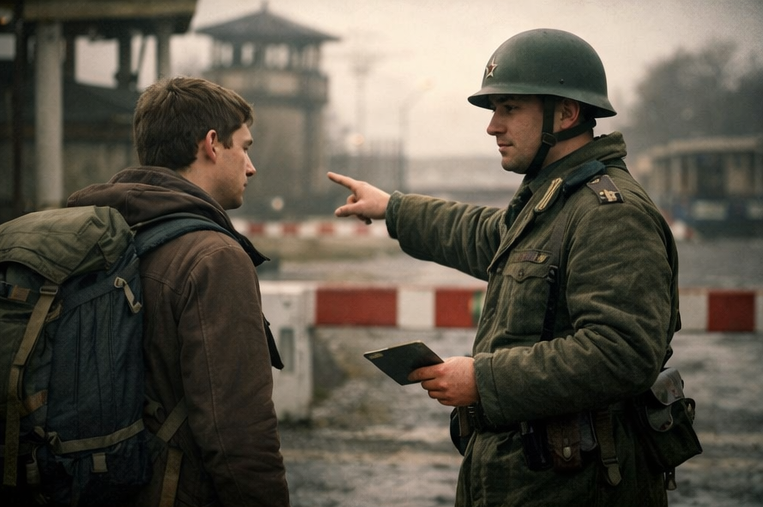
It is easy to caricature history. Cold War Europe is often painted in black and white—ideological hostility, armed checkpoints, suspicion
Step into lives shaped by quiet choices and distant roads.