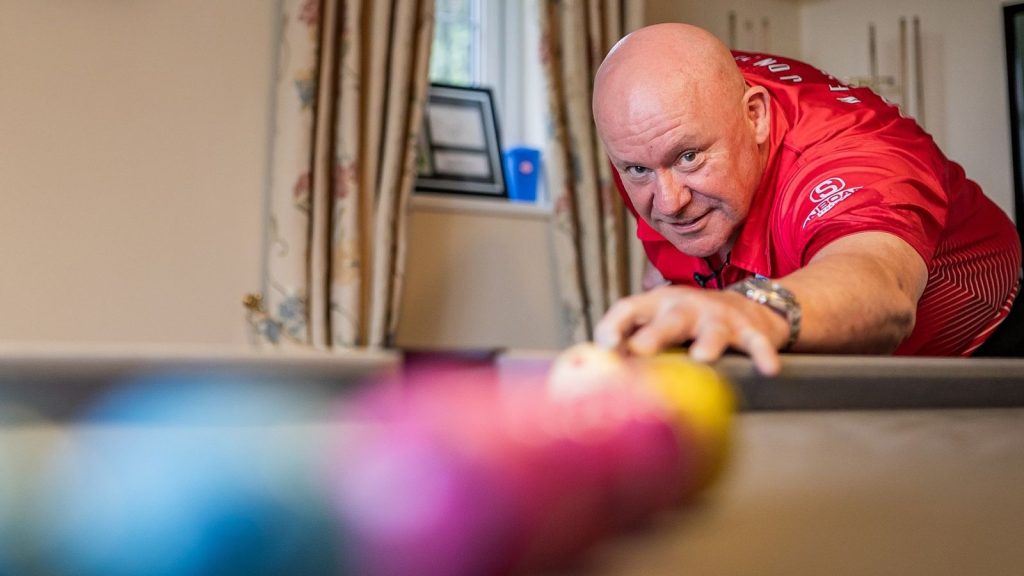
In a Dominican neighborhood scarred by revolution and foreign intervention, a political headquarters glows late at night.
Inside?
Not speeches.
Not strategy.
A billiard table.
The symbolism is striking.
The American volunteer, aware of anti-Yankee graffiti and simmering resentment, steps inside what should be hostile territory. Instead of confrontation, he offers rum and humility. Instead of debate, they play eight ball.
A single well-executed shot earns quiet respect.
And something subtle shifts.
Politics often divides people into slogans. But games dismantle abstraction. Around a pool table, ideology yields to geometry. Anger softens into competition. Shared laughter replaces suspicion.
Diplomacy is rarely dramatic. It’s rarely televised.
Sometimes it looks like a cautious handshake. A ritual refusal. A shared joke about luck.
Sometimes it’s a cushion shot that ricochets into trust.
The lesson? Cultural bridges are often built not in conference rooms—but in ordinary human spaces where pride, skill, and hospitality intersect.